
-
 6–10 minutes
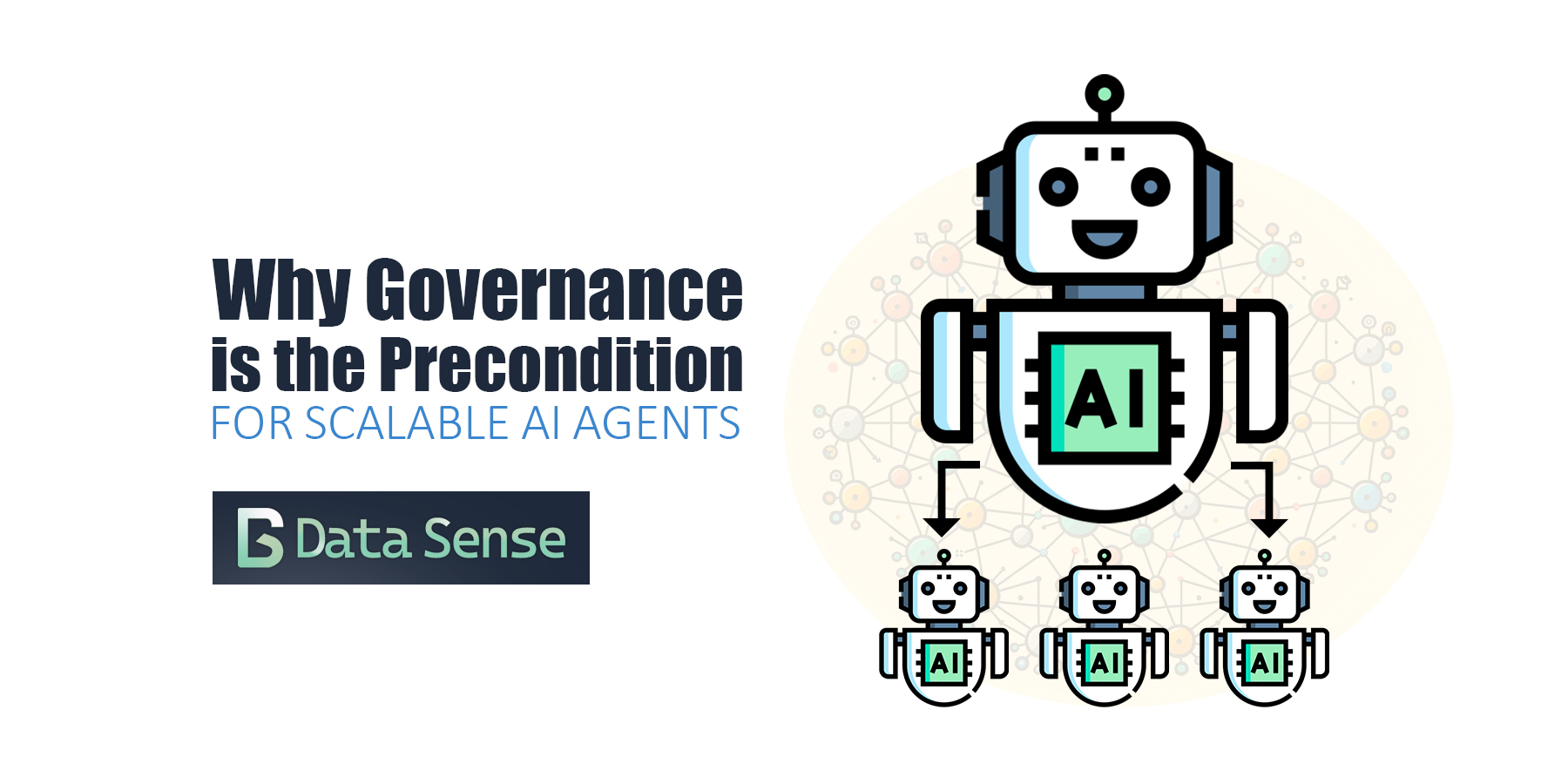
Why Governance is the Precondition for Scalable AI Agents
Read More ->: Why Governance is the Precondition for Scalable AI AgentsScalable AI agents are quickly moving from experimental tools to embedded components of enterprise infrastructure. In financial services, manufacturing, retail, and other regulated sectors, autonomous systems are beginning to interface directly with ledgers, operational databases, and reporting pipelines. As these systems evolve from conversational assistants into operational actors capable of invoking tools, modifying records, and influencing downstream decisions, their risk profile changes materially. As explored in our article on AI agents in data analytics, these systems can automate everything from data ingestion to predictive insights. Why Traceability Becomes a Governance Requirement At this stage, AI agent performance alone is no…
-
 18–27 minutes
How to Create and Validate Synthetic Financial Data in Python
Read More ->: How to Create and Validate Synthetic Financial Data in PythonRecently Data Sense published an article discussing how synthetic financial data is reshaping risk management in financial services. We detailed how financial regulators have begun to experiment and publish guidelines for implementing and assessing synthetic data for analytical fidelity and privacy preservation. But how can this actually be achieved? Extending our previous research, we have provided a framework below for economists, supervisors and financial data scientists to implement and assess synthetic data use cases. The objective of this tutorial is to help economists, supervisors, and financial data scientists gain practical experience in generating, validating, and assessing synthetic financial data using…
-
 42–63 minutes
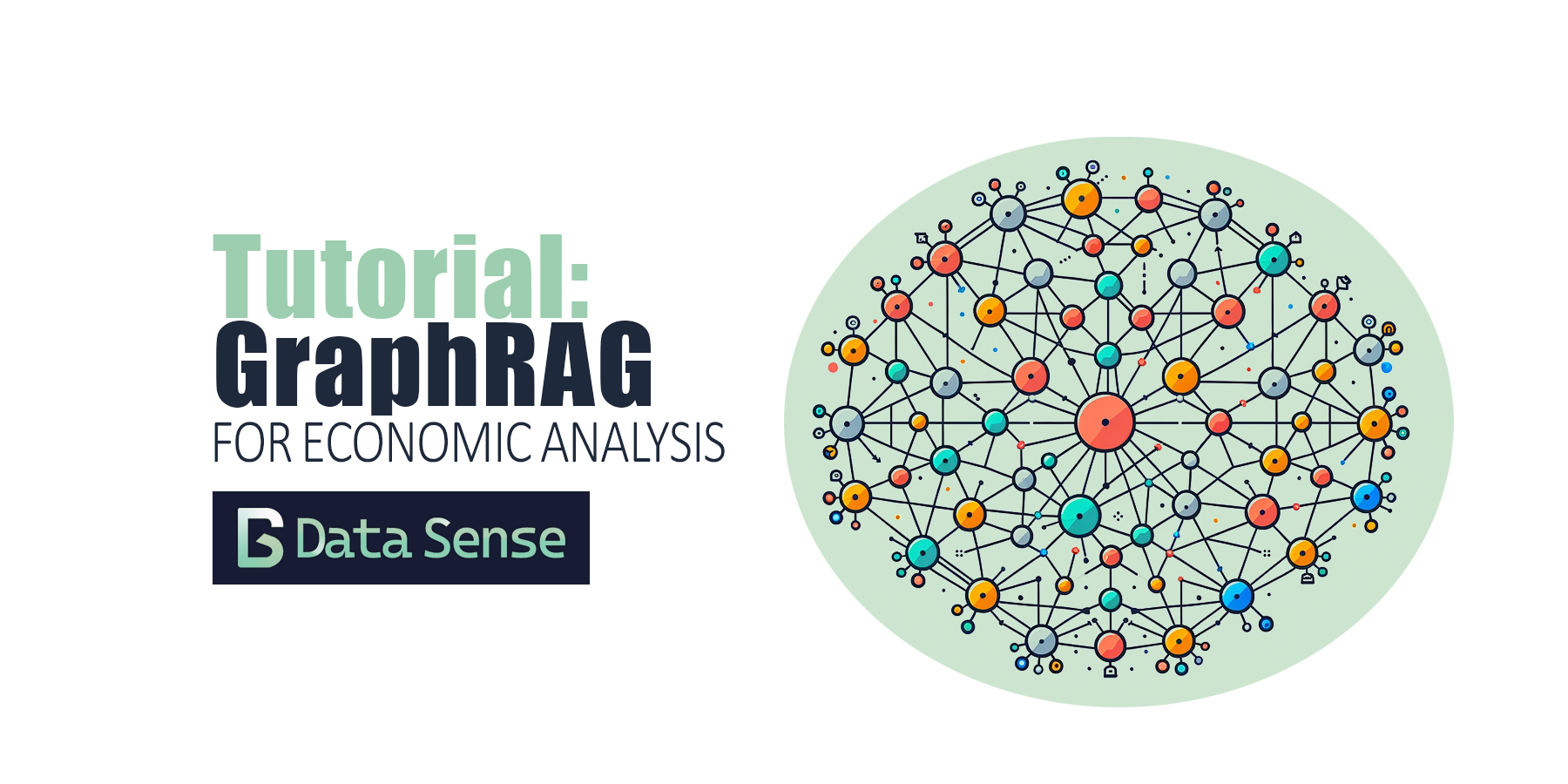
How to use GraphRAG for Economic Data Analysis (Tutorial)
Read More ->: How to use GraphRAG for Economic Data Analysis (Tutorial)This tutorial details how to create a GraphRAG (Graph-based Retrieval Augmented Generation) to conduct economic data analysis. It will focus on combining World Bank Data with Unstructured Reports. Introduction In today’s data-driven world, economic analysts are plagued with information in various forms. This can create a significant challenge in being able to extract valuable insights that are scattered across structured databases and unstructured documents. While the World Bank’s World Development Indicators (WDI) provide rich quantitative data, the context and explanations for economic trends often lie within IMF reports, OECD analyses, and policy papers. Traditional Retrieval-Augmented Generation (RAG) systems struggle to…
-
 3–5 minutes
Uncover the Power of AI Agents in Data Analytics
Read More ->: Uncover the Power of AI Agents in Data AnalyticsArtificial Intelligence (AI) is rapidly transforming every industry, and data analytics is no exception. While traditional analytics tools have empowered businesses with insights, the next frontier lies in AI agents: autonomous or semi-autonomous systems capable of performing complex data tasks, from collection and cleaning to analysis and even recommendation, with minimal human intervention. At Data Sense, we do not believe AI agents will replace human analysts, but rather augment their capabilities, freeing them from mundane tasks and allowing them to focus on strategic thinking and interpretation. This shift promises unprecedented efficiency and deeper, more timely insights. What are AI Agents…
BROWSE PAST POSTS
Blog Archives
Explore our entire collection of articles, organized by publication date.
Posts from
Featured
View Year:
©2025 Data Sense. All rights reserved.